The “Great Wealth Transfer” Is Coming to Real Estate

Real estate is entering a quiet transition—one that isn’t driven by interest rates, inventory shortages, or market cycles.
It’s being driven by ownership changing hands.
Over the coming decades, a large share of homes across the U.S. will move from older homeowners to younger generations. Some of that transfer will happen through traditional sales. Much of it will happen through inheritance, gifting, and long-term planning.
This shift is already influencing how people think about buying, selling, and holding property. And while Gen Z is often mentioned in conversations about the future of housing, the reality is more layered—and more practical—than most headlines suggest.
Understanding what’s ahead matters not just for younger buyers, but for today’s homeowners thinking about timing, value, and long-term decisions.
Economists use the term Great Wealth Transfer to describe the large-scale movement of wealth from older generations—primarily Baby Boomers—to younger ones, including Gen X, millennials, and eventually Gen Z.
This wealth includes savings, investments, businesses, and real estate, which often represents the largest asset families own.
Over time, trillions of dollars in property value are expected to change hands. That doesn’t mean it happens all at once, and it doesn’t mean every household is affected the same way. But it does mean that real estate ownership in the U.S. will look different in the future than it does today.
Despite the attention on Gen Z, most inherited real estate in the near term is expected to go to Gen X and older millennials.
That’s largely due to timing. These groups are more likely to be at a stage of life where parents are downsizing, planning estates, or passing on property.
Gen Z is still part of the story—but for many, inheritance is farther down the road. When it does happen, it will look different depending on family structure, location, and financial planning.
Some will. Many won’t.
At a national level, the numbers are large. At an individual level, inheritance is uneven.
Even when a home is passed down, that doesn’t automatically mean long-term ownership. Inherited properties often come with real costs:
property taxes
insurance
maintenance and repairs
shared ownership among siblings
For many heirs, selling the home becomes a practical decision rather than an emotional one. Others choose to rent the property, refinance it, or use it as part of a longer-term financial plan.
The takeaway: inheritance creates options, not guarantees.
As more homes move from long-time owners to heirs, several trends are already emerging.
Homes that no longer fit an heir’s lifestyle—or are located far from where they live—are more likely to come to market.
Younger generations often prioritize function, location, and maintenance over size. This may increase demand for:
updated homes
smaller footprints
walkable areas
lower-maintenance living options
Co-ownership, multi-generational living, and investment-focused ownership are becoming more common as affordability and flexibility matter more.
If you believe a home may be passed down to you someday, the most valuable step is clarity—early and simple.
Helpful conversations include:
What is the long-term plan for the property?
Who will be involved in ownership?
Is selling, renting, or keeping the home realistic?
What costs will come with ownership?
Having these discussions before a transition happens often prevents stress and rushed decisions later.
Even if you don’t think of yourself as “wealthy,” your home may be your most valuable asset.
Planning ahead allows you to:
protect equity
reduce uncertainty for loved ones
decide whether downsizing or restructuring makes sense
ensure your real estate supports your long-term goals
Real estate planning isn’t just about inheritance—it’s about control and intention.
It refers to the long-term shift of property ownership from older generations to younger ones through inheritance, gifting, and estate planning.
Not yet. Gen X and millennials are currently the primary recipients, with Gen Z expected to be more involved later.
In some markets, yes—especially when heirs choose to sell properties that don’t fit their needs or location.
Ownership changes over time. Homes move through families, life stages, and priorities. Understanding that process helps homeowners and buyers make decisions with clarity—without pressure, and without rushing.
At Varity Homes, we spend a lot of time helping clients think through decisions before they’re urgent. If you’re considering how your home fits into your long-term plans, a thoughtful conversation now can make future choices far simpler.

Arlington,
From Falls Church craft beer to a working winery on the Anacostia: your guide to the best spots in the DMV.

Arlington,
A local's guide to Father’s Day weekend, for every kind of dad.

Real Estate
A straight look at the 2026 real estate tax rates across Northern Virginia, and what they mean for your wallet.


Holiday
5 Memorial Day events to help you pick how you celebrate
Events
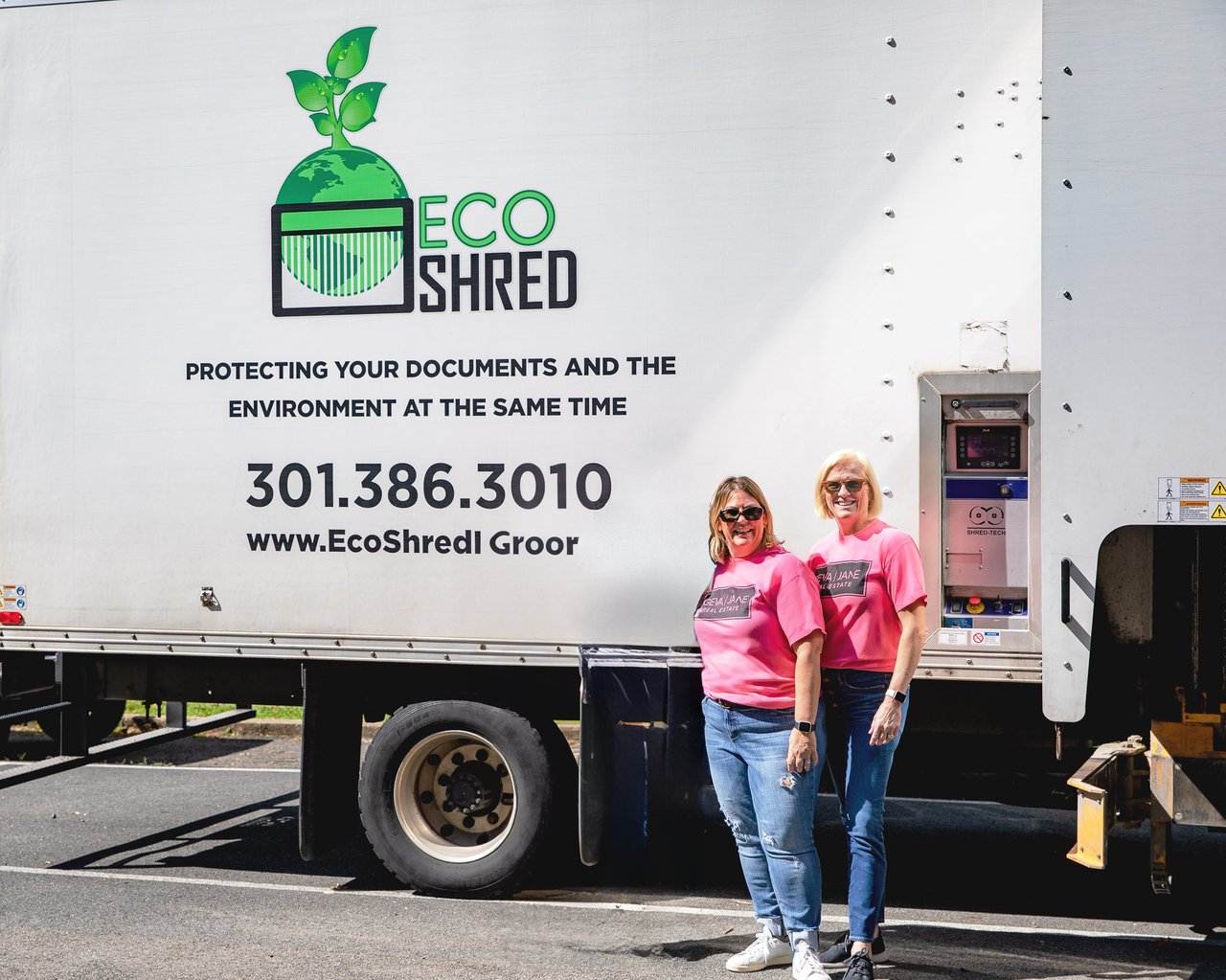
Join Varity Homes on Saturday, May 30th for our Free Community Shred Event. Professional-grade shredding for your most sensitive documents.

downsizing
Curating the Downsize in Arlington’s North Side
Events
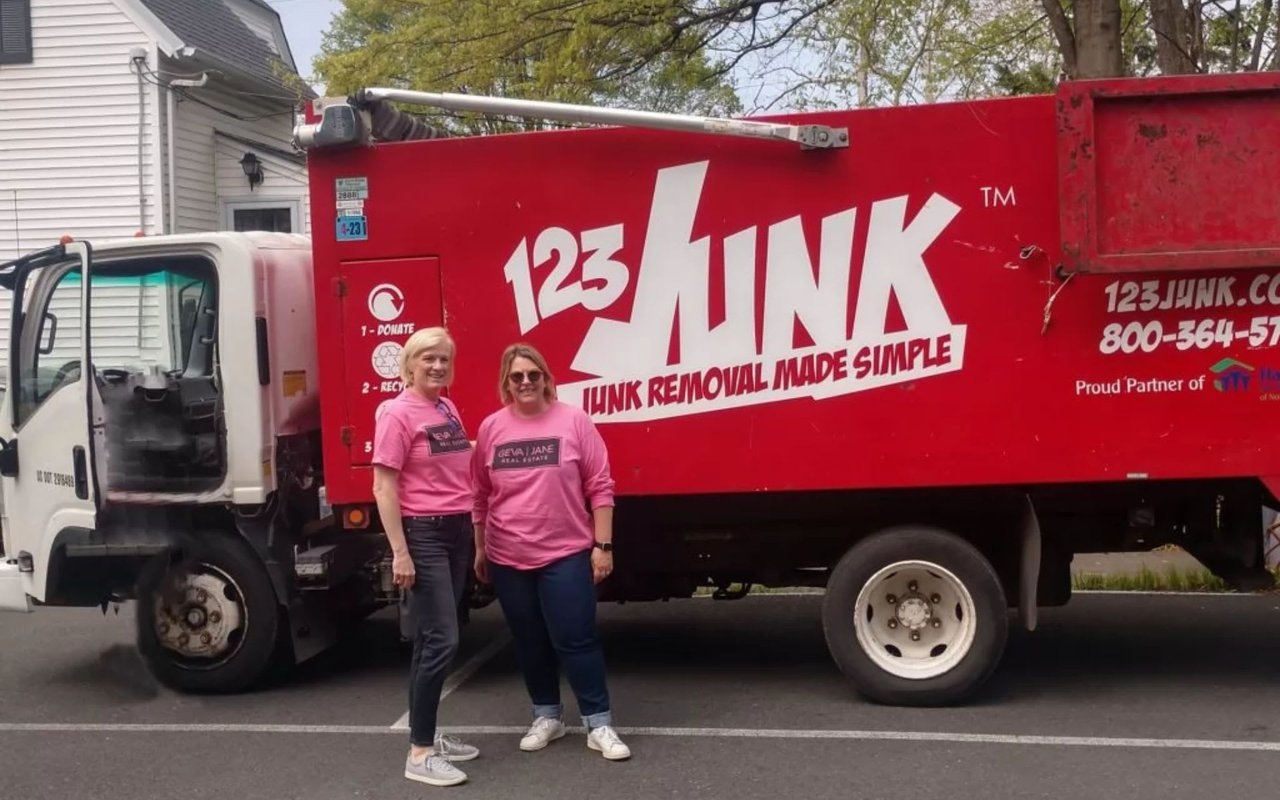
Spring is a natural time to reset.

Arlington Real Estate
What Does It Really Cost — and Is It Worth It?
You’ve got questions and we can’t wait to answer them.